
An iPhone 18 vs iPhone 17 camera breakdown
How the iPhone 17 Camera System Works (Ground Truth)
How the iPhone 17 Camera System Works (Ground Truth)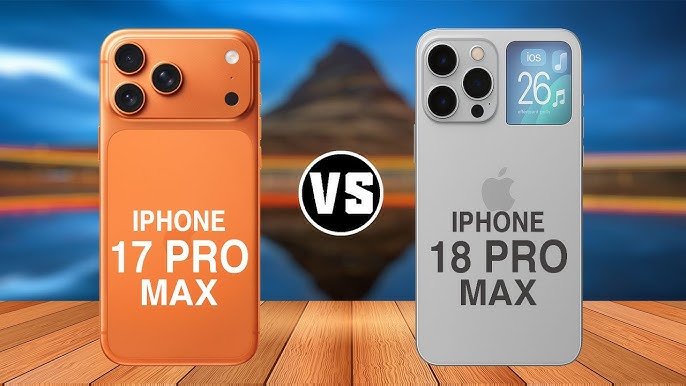
Apple’s current iPhone 17 lineup uses highly capable hardware across its models, though the focus has been more iterative than revolutionary.
For the standard iPhone 17:
-
Dual rear cameras: 48 MP wide + 48 MP ultra-wide with pixel-binning for rich detail.
-
Up to 2× optical-quality zoom via the main lens (digital extension beyond that).
-
Front-facing 18 MP Center Stage selfie camera with smarter group framing.
-
Features like Deep Fusion, Smart HDR, and Night Mode make use of Apple’s software pipeline (Photonic Engine) for balanced photos in tricky light.
For the iPhone 17 Pro models:
-
Triple-lens rear system with all 48 MP sensors, including telephoto capable of extended zoom ranges (8× “optical-quality” on Pro/Pro Max).
-
Same 18 MP front camera with Center Stage.
Overall, the iPhone 17 camera delivers strong dynamic range, reliable detail, and versatile shooting modes, but sensor sizes and optical capabilities are near the current generation’s practical limits.
What the iPhone 18 Camera Could Bring (Based on Latest Rumors)
No official specs yet for the iPhone 18, but multiple credible leak reports point to hardware and software camera upgrades, particularly in the Pro tier. Here’s what’s shaping up:
Expected enhancements:
-
Front camera boost to ~24 MP for sharper selfies and better video detail.
-
Triple-lens rear system with a more advanced telephoto and possibly variable-aperture hardware—this helps with low-light exposure control and background blur transitions.
-
On Pro/Pro Max, periscope or extended zoom optics could arrive with refined telephoto performance.
-
Leaks also hint at software refinements and new processing pipelines tied to the next Apple silicon and Apple Intelligence enhancements, which often translate into better night and HDR shots.
These changes are evolutionary but meaningful: Apple is aiming for more usable detail, better color/contrast, and improved versatility across lighting conditions.
Side-by-Side: iPhone 18 vs iPhone 17 Camera Comparison (Rumored vs Confirmed)
| Feature | iPhone 17 Camera | iPhone 18 Camera (Leaks & Rumors) |
|---|---|---|
| Rear Camera Setup | Dual 48 MP (wide + ultra-wide) | Expected triple-lens (wide + ultra-wide + telephoto/zoom) |
| Optical Zoom | 2× base (standard) up to 8× optical-quality on Pro | Potentially more refined telephoto, better zoom range |
| Front Camera | 18 MP Center Stage | Rumored 24 MP with enhanced quality |
| Low-light Performance | Strong (good Night mode + processing) | Enhanced with variable aperture + AI processing |
| Video Capabilities | 4K Dolby Vision options on Pro | Expected improvements in stabilization / bitrate |
| Software Imaging | Photonic Engine, Smart HDR | Likely next-gen imaging pipeline |
The iPhone 18 row is based on multiple industry rumors, not official Apple specs.
What This Camera Comparison Means in Real Photos
If leaks hold true, here’s the real-world impact:
Selfies and video chats:
A jump from 18 MP to ~24 MP makes a noticeable difference in clarity—especially in challenging light or indoors.
Versatility:
The addition of a true telephoto and possibly variable aperture hardware would put the iPhone 18 in a different league for portrait work and zoomed-in shots, where the iPhone 17 still relies heavily on digital enhancement.
Low-light photography:
Better hardware combined with smarter processing means night photos could show cleaner detail, richer color, and less noise than the already strong iPhone 17.
Video quality:
Even small increases in sensor performance and video pipeline efficiency can lead to noticeably smoother stabilization and better highlight control.
Bottom Line: iPhone 18 vs iPhone 17 Camera
The iPhone 17’s camera system is mature and solid—especially if you value reliable snaps and Apple’s computational smarts.
The iPhone 18 camera, based on leaks, points toward incremental but well-targeted upgrades, especially in front camera resolution, optical versatility, and low-light efficiency. These won’t rewrite the rules, but they will push iPhone imaging further ahead of competitors and past the 17’s current limits.